Government Increases Commercial LPG Allocation
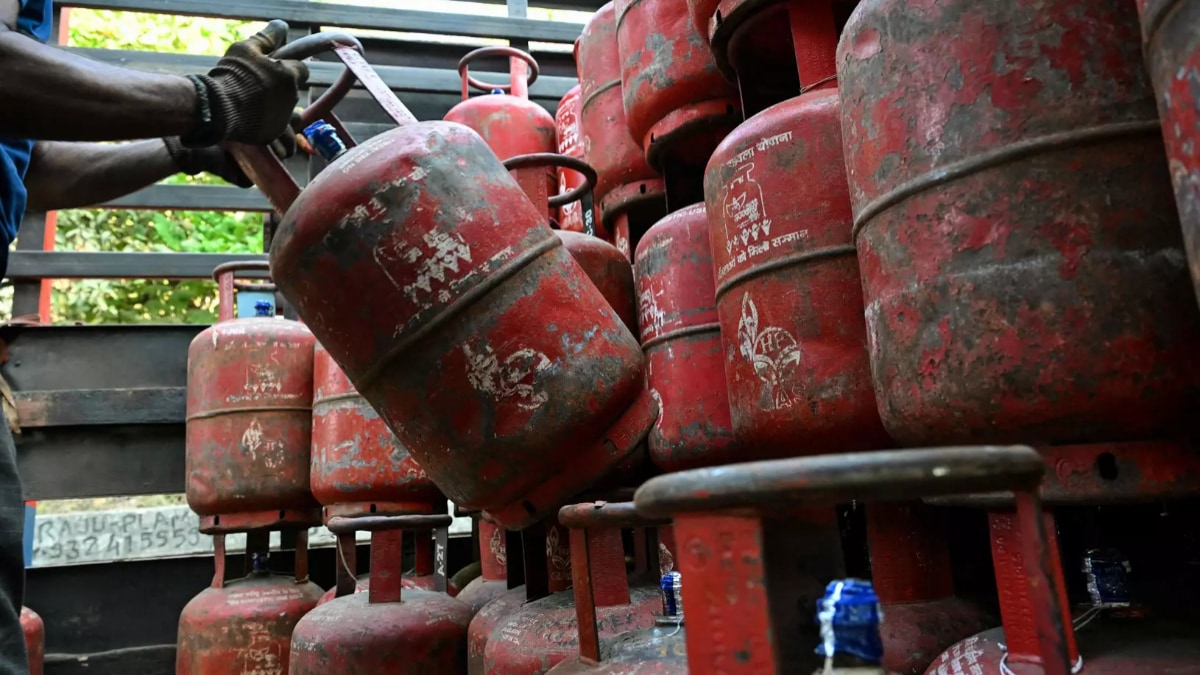
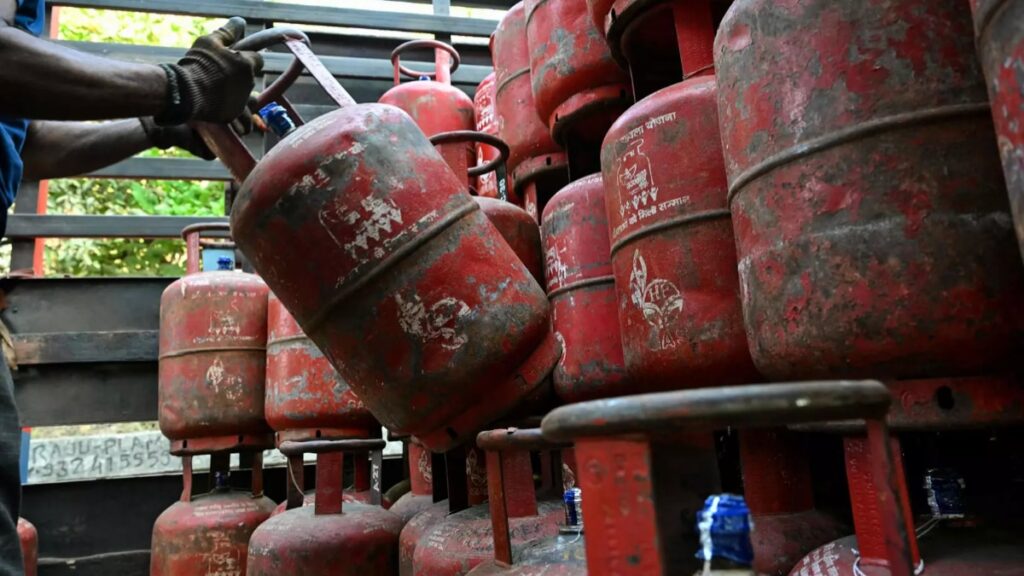
The Indian government has announced a significant relief measure by increasing the allocation of commercial LPG by an additional 20%. With this latest move, the total supply has now reached 50% of pre-crisis levels, effective from March 23, 2026.
This decision follows earlier steps, including:
- 20% baseline restoration
- 10% additional allocation linked to PNG expansion
According to Petroleum Secretary Neeraj Mittal, this increase will remain in effect until further notice.
Priority Sectors to Benefit from Increased LPG Supply
The additional LPG allocation will be prioritized for essential and high-demand sectors, including:
Hospitality and Food Services
- Restaurants
- Dhabas
- Hotels
- Industrial canteens
Essential and Community Services
- Food processing units
- Dairy units
- Subsidised kitchens
- Community feeding programmes
Support for Migrant Workers
- 5 kg LPG cylinders for migrant labourers
The government has also emphasized strict monitoring to prevent diversion and misuse.
LPG Shortage Driven by Global Disruptions
The current LPG shortage is largely due to geopolitical tensions impacting energy supply routes, especially the Strait of Hormuz, which handles nearly 90% of India’s LPG imports from West Asia.
To manage the situation, India is:
- Diversifying LPG imports from countries like the United States and Russia
- Increasing domestic refinery production
- Strengthening supply chain monitoring
Current Supply Status Across India
Despite supply challenges:
- No LPG “dry-outs” have been reported at distributorships
- Domestic LPG delivery remains stable
- 20 states and UTs have implemented allocation guidelines
Over the past week:
- 13,479 metric tonnes of LPG has been distributed to commercial users
- Hospitals and educational institutions are receiving nearly 50% of allocations, showing priority focus
Push Towards PNG and Structural Changes
To reduce long-term dependency on LPG, the government is promoting a shift to Piped Natural Gas (PNG).
New Eligibility Rules
- Commercial users must register with Oil Marketing Companies (OMCs)
- Mandatory application for PNG connection
- Required disclosure of LPG usage and sector details
This marks a shift towards targeted distribution and better tracking.
Strict Enforcement to Prevent Misuse
To control hoarding and diversion:
- Over 3,500 raids have been conducted
- Around 1,400 LPG cylinders have been seized
Authorities are actively monitoring supply chains to ensure fair distribution.
Alternative Fuel Support to Ease Pressure
To reduce reliance on LPG, the government has introduced alternative fuel measures:
- 48,000 KL additional kerosene allocation
- Increased coal supply for non-priority sectors
These steps aim to balance demand and stabilize availability.
Conclusion: Dual Strategy to Manage Crisis
The government’s approach combines:
- Short-term relief through increased LPG supply
- Long-term transition towards PNG
This dual strategy is designed to ensure stability, reduce dependency on imports, and protect key sectors like hospitality during ongoing global supply disruptions.
If you want, I can also:
Make it more beginner/simple language or more professional news style
Convert this into a WordPress-ready post
Add SEO keywords + meta description