Two powerful earthquakes struck off the southern Philippines on Friday morning, killing at least six people and triggering widespread panic, building damage, and temporary tsunami warnings along the country’s eastern coast.
The first and larger quake, measured at magnitude 7.4, hit around 10 a.m. local time about 20 km off Manay town in the Mindanao region, according to the United States Geological Survey (USGS).
Nearly 10 hours later, a 6.7-magnitude aftershock rocked the same area — one of over 300 tremors recorded by Philippine authorities throughout the day.
🇵🇭 Deaths Reported Across Davao and Mindanao
Rescue teams confirmed that three miners were killed when a gold-mining tunnel collapsed west of Manay during the first quake. “One miner was pulled out alive, and several others were injured in the remote hamlet of Gumayan,” said rescue official Kent Simeon.
In Mati city, the largest urban center near the epicentre, a resident died after a wall collapsed, while another person reportedly suffered a fatal heart attack.
Police also confirmed that a man in Davao city, over 100 km away, was crushed by falling debris.
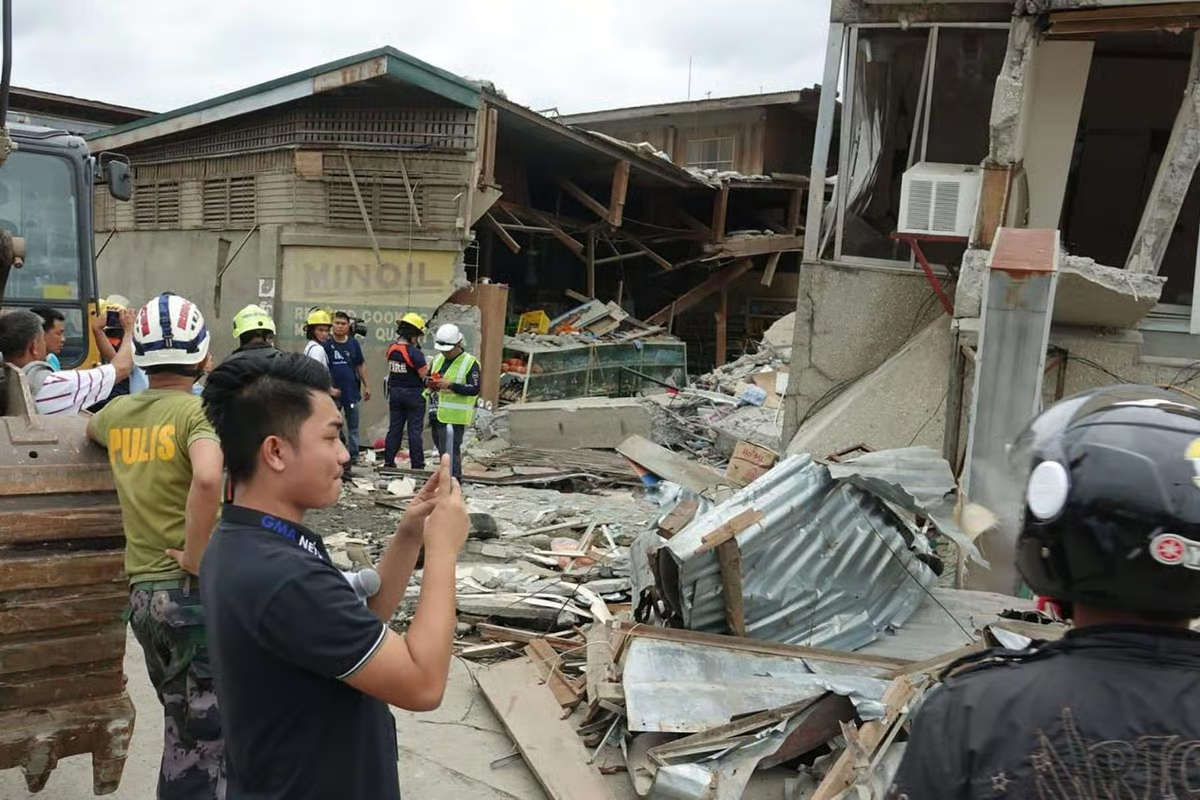
Governor Nelson Dayanghirang of Davao Oriental told ABS-CBN that some bridges developed cracks and “minor landslides” were reported. “There were no major building collapses, but several structures were damaged,” he added.
🌊 Tsunami Alerts and Coastal Evacuations
The Philippine Institute of Volcanology and Seismology (Phivolcs) issued a tsunami warning shortly after the morning quake, prompting mass evacuations from coastal villages across Davao Oriental, Surigao del Sur, and neighboring provinces.
The Pacific Tsunami Warning Center later lifted its alerts for the Philippines, Palau, and Indonesia by noon, confirming no significant sea-level rise had been observed.
😨 Witness Accounts: “People Screamed and Ran”
Panic swept through several towns as tremors struck during the morning rush hour.
Wes Caasi, an official in Tagum city, said a government event “descended into chaos” as people fled the building. “They screamed and ran. City workers even jumped off a Christmas tree they were decorating,” she told AFP.
In nearby Compostela, teacher Christine Sierte said the quake felt endless. “It was very slow at first, then it got stronger. That’s the longest time of my life,” she said. “The shaking was so strong we couldn’t walk out immediately.”
🏥 Hospitals, Power and Communication Hit
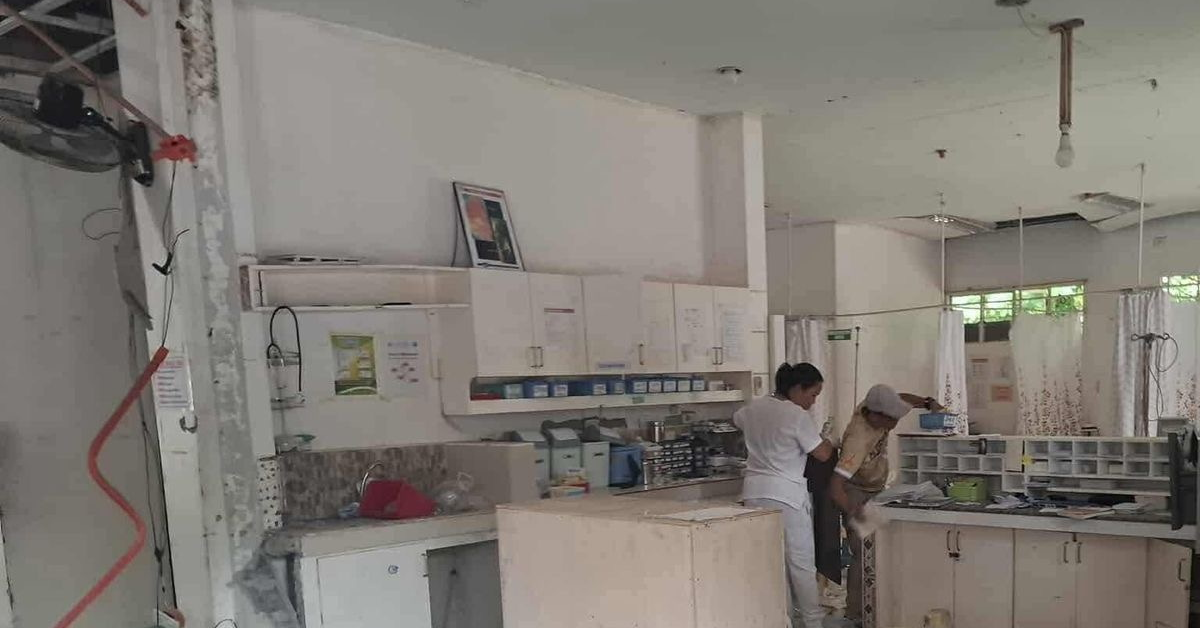
More than 200 patients were evacuated from Manay District Hospital after cracks appeared in the foundations. Temporary medical tents have been set up outside.
Police officer Dianne Lacorda said power and phone lines were down in several districts, hampering rescue operations.
Classes were suspended and non-essential government workers were sent home as aftershocks continued through the evening.
🌋 The Philippines’ Fragile Geography
The Philippines lies along the Pacific “Ring of Fire”, one of the world’s most seismically active zones.
Just 11 days earlier, a 6.9-magnitude quake struck Cebu province, killing 75 people and injuring over 1,200.
The country’s deadliest natural disaster remains the 1976 Mindanao quake, which unleashed a tsunami that left more than 8,000 people dead or missing.
⚠️ Summary: Key Facts So Far
| Detail | Information |
|---|---|
| Main Quake | Magnitude 7.4 off Manay, Davao Oriental |
| Aftershock | Magnitude 6.7, 10 hours later |
| Confirmed Dead | 6 (as of Friday night) |
| Injured / Missing | Several, rescue ops ongoing |
| Tsunami Alert | Issued, later lifted |
| Aftershocks Recorded | 300+ |
| Areas Affected Most | Manay, Mati, Tagum, Davao City |
| Power / Communications | Disrupted in several towns |
💬 Officials Urge Vigilance
Authorities have urged residents to stay alert as aftershocks continue.
“Even though tsunami warnings have been lifted, people should remain cautious near coastal and mountainous areas,” said Phivolcs Director Teresito Bacolcol.
President Ferdinand Marcos Jr. expressed condolences to the victims’ families and directed the National Disaster Risk Reduction and Management Council (NDRRMC) to coordinate relief and reconstruction efforts in the affected provinces.