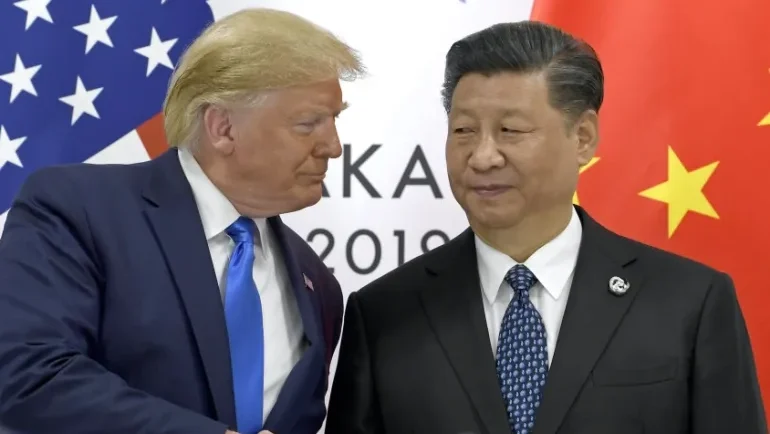
US President Donald Trump on Tuesday warned that tariffs on Chinese goods could rise to as high as 155% from November 1, if Beijing and Washington fail to reach a new trade understanding — even as he struck an unusually conciliatory tone toward China, calling recent interactions “respectful.”
“I think China’s been very respectful of us,” Trump said, speaking to reporters at the White House.
“They’ve been paying tremendous amounts of money in tariffs to the United States… but if we don’t make progress soon, those tariffs could rise to 155%.”
💬 Shift in Tone Amid Tariff Threat
Trump’s remarks signal a dual message — maintaining pressure on Beijing while also suggesting an opportunity for renewed dialogue.
He emphasized that China currently pays about 55% in tariffs on certain product categories under existing measures — which he described as “a lot of money.”
“We’d prefer to help China, not hurt it,” Trump said, echoing his earlier weekend post on Truth Social, where he said the US “wants to help China, not hurt it.”
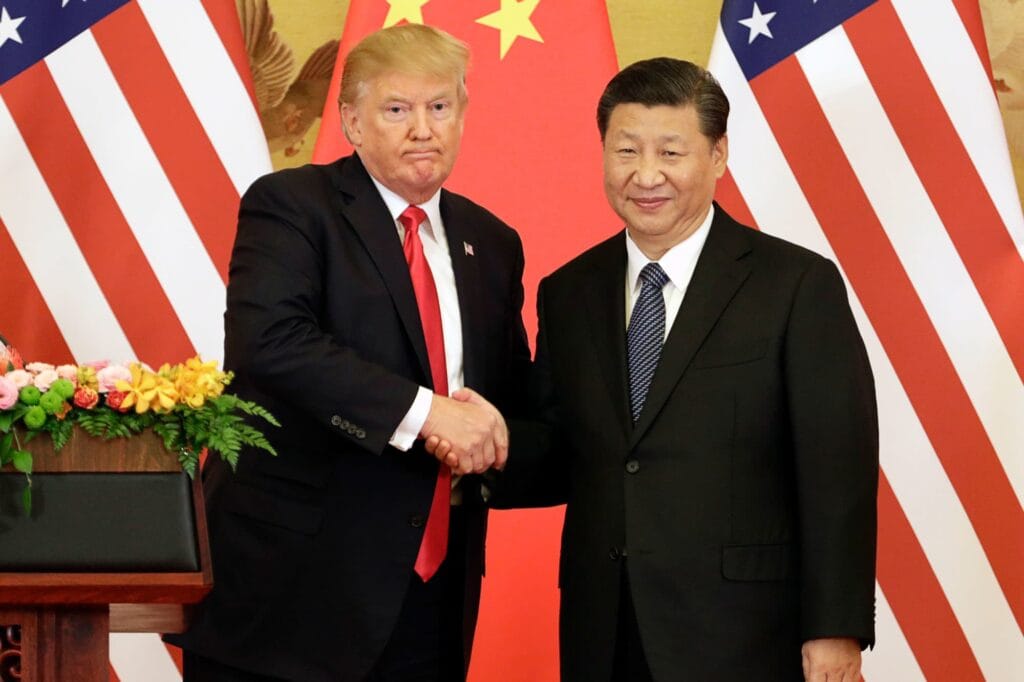
The comment came just days after Trump threatened to cancel a planned meeting with Chinese President Xi Jinping, sending Wall Street stocks tumbling on renewed trade war fears.
📈 Background: Rare Earths and Economic Flashpoint
The new warning follows Trump’s accusation that China imposed ‘extraordinarily aggressive’ export curbs on its rare-earths industry, which plays a critical role in global electronics, defense, and EV manufacturing.
Beijing responded on Sunday, calling Washington’s tariff threats a “typical example of double standards,” and accused the US of “escalating unilateral measures.”
The Chinese Ministry of Commerce also said the US had “ratcheted up economic coercion” since September, despite ongoing trade consultations between the two countries.
🌍 Analysts: Testing the Waters Before Xi Meeting
Analysts said Trump’s latest tone appears aimed at keeping negotiation channels open, even as he raises the stakes ahead of a potential US–China leaders’ meeting later this month.
“Trump’s language has softened, but the message remains the same — trade leverage first, diplomacy second,”
said Stephen Roach, former Morgan Stanley Asia chairman.
“He’s preparing political ground for a deal that doesn’t appear weak domestically.”
Global markets are expected to react cautiously, with investors closely tracking any back-channel communication between Washington and Beijing in the coming weeks.
📊 At a Glance: US–China Tariff Snapshot
| Tariff Rate | Description | Effective Date |
|---|---|---|
| 55% | Current average tariff on Chinese exports under existing trade measures | Ongoing |
| 155% (Proposed) | Potential maximum rate from November 1, if talks fail | Announced by Trump |
| Key Sectors Impacted | Rare-earths, EV batteries, microchips, defense components | — |
| China’s Response | Accused US of “double standards” and “economic coercion” | October 13, 2025 |
⚖️ Next Steps
US–China trade representatives are expected to hold technical-level consultations before the November 1 tariff deadline, though no official schedule has been confirmed.
The White House has maintained that any tariff rollback will depend on China easing export curbs and committing to supply-chain transparency for critical minerals.