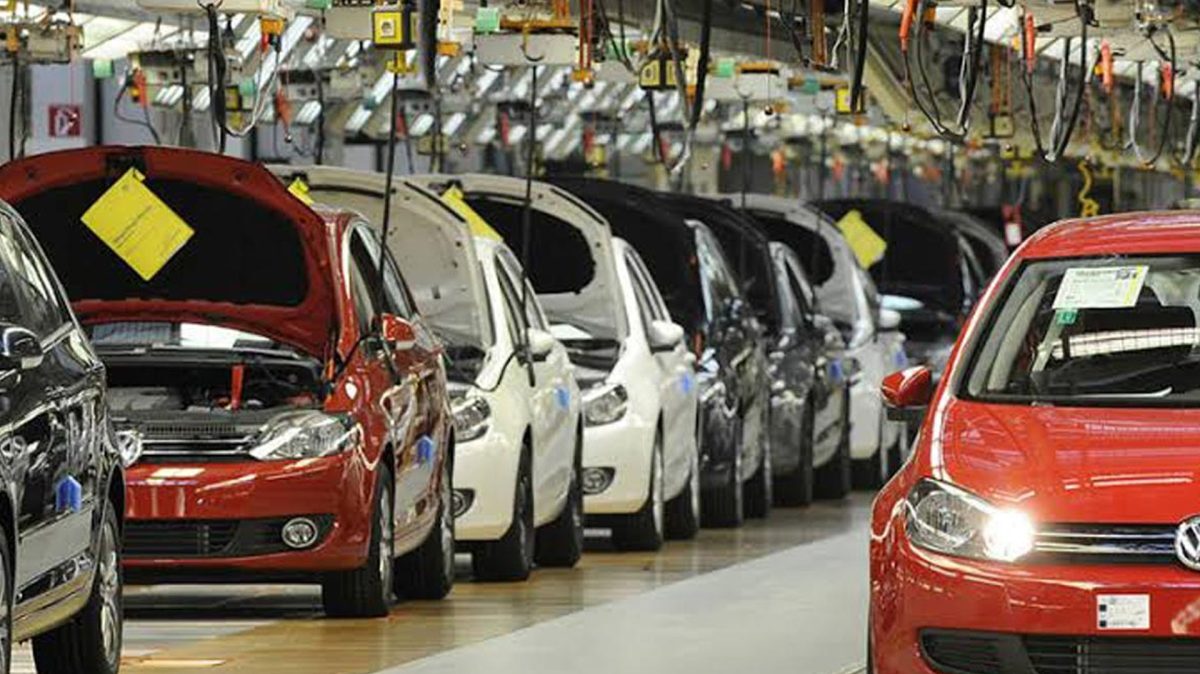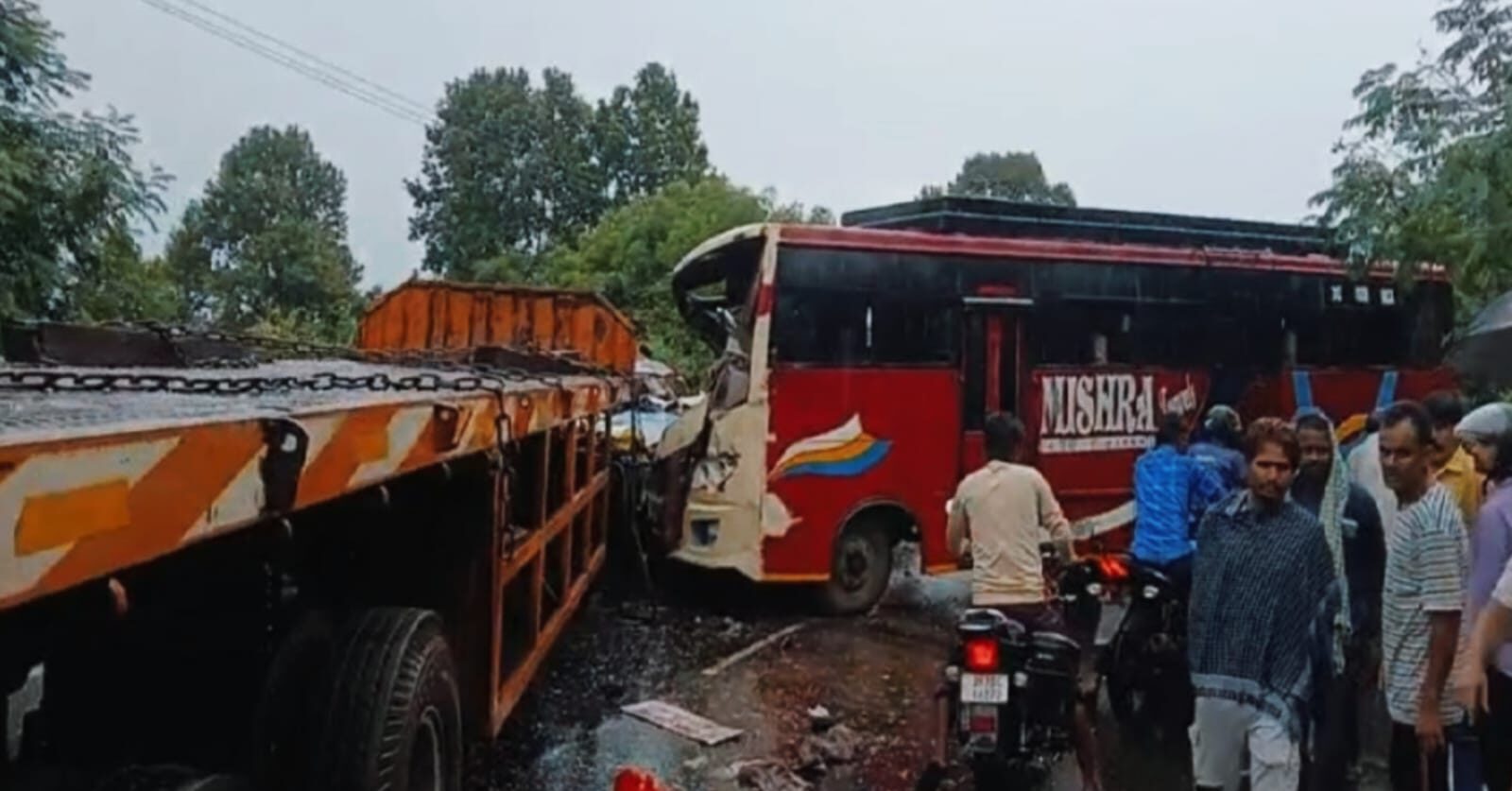
London, September 2025 – Jaguar Land Rover (JLR) has been battling the fallout of a major cyber-attack that forced it to shut down production across the UK, Slovakia, India, and Brazil. The company has now begun a slow recovery, but full-scale production is still weeks away.
Current Situation
- JLR is restarting in stages, with IT systems for supplier payments, spare parts distribution, and deliveries among the first to come back online.
- A return to full production may still take several weeks to months.
- Suppliers, many of whom rely heavily on JLR, face six to seven weeks with no revenues, raising fears of long-term disruption.

Financial Impact
- A month of downtime could mean £1.7bn in lost revenues and £120m in lost profits, according to economist David Bailey.
- CreditSights analysts estimate JLR’s cash burn could reach £2.6bn over 30 days due to halted sales and ongoing costs.
- Despite the crisis, parent company Tata Motors’ share price and JLR’s bond markets remain steady, suggesting investors expect the carmaker to recover.
Government and Funding Support
- The UK government announced a £1.5bn loan guarantee through UK Export Finance, repayable over five years.
- JLR has also secured a £2bn loan from Citigroup, Mitsubishi UFJ, and Standard Chartered, bringing its total new funding to £3.5bn.
- The loans are intended to keep JLR paying suppliers and stabilise operations, though concerns remain about whether aid will filter down to smaller tier-2 and tier-3 suppliers.
Supply Chain Concerns
- Tier 1 suppliers may receive payments, but smaller firms deeper in the supply chain fear being left out.
- Industry groups are urging JLR to provide clarity and direction to ensure cash flow reaches smaller businesses that risk closure.
Workers and Jobs
- JLR has told employees it hopes to restart limited production in the coming days, with Wolverhampton’s engine plant expected to resume first.
- Thousands of workers remain at home, and suppliers have already laid off temporary staff to cut costs.
- Trade union Unite has warned that government support must be tied to protecting jobs, pay, and skills across the supply chain.