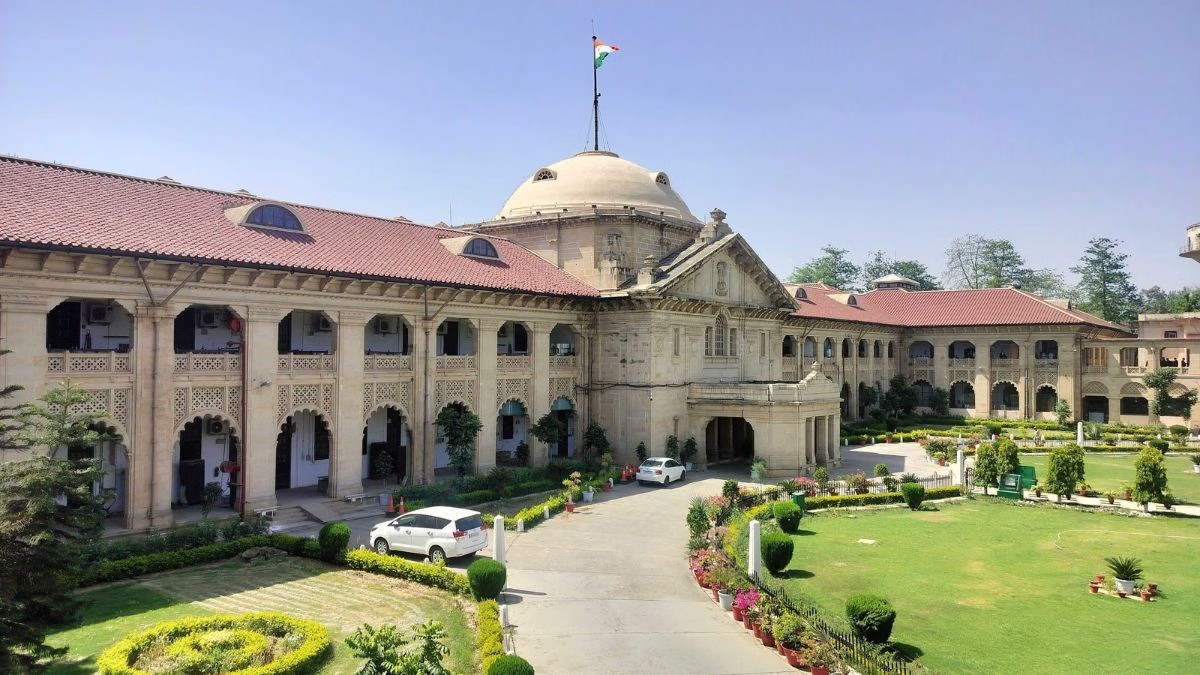
Lucknow, September 2025 – The Allahabad High Court’s Lucknow bench has drawn a firm line against paan culture entering the courtroom. Justice Shree Prakash Singh issued a stern directive on September 22, banning saliva-stained petitions and applications after observing multiple documents marked with reddish paan stains.
The Trigger
On the morning of the hearing, Justice Singh noticed that over ten petitions submitted bore visible saliva marks from page-turning, likely mixed with paan residue. In his written order, he called the habit “disgusting, condemnable, and a clear lack of civic sense.”
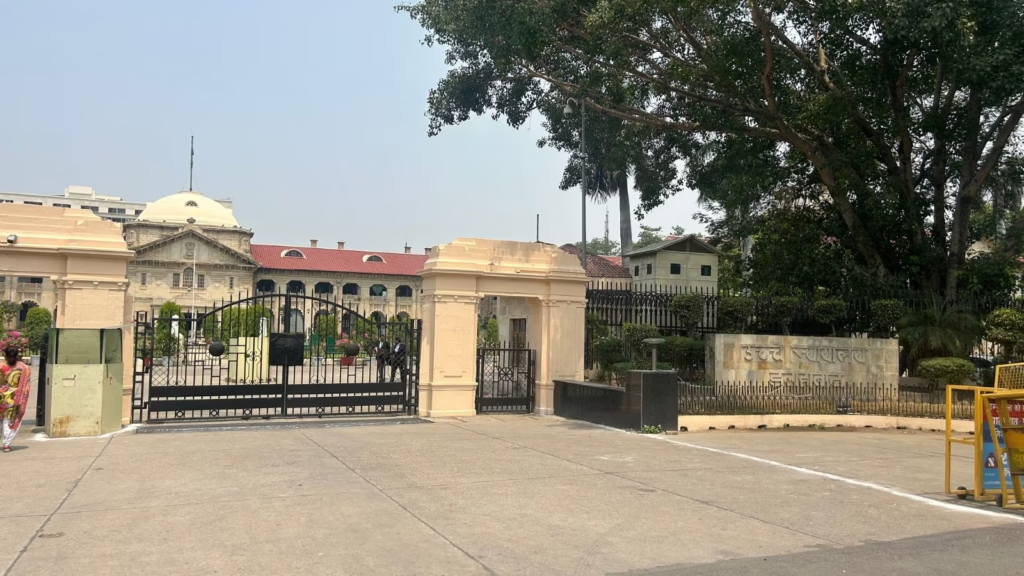
Health & Hygiene Concerns
The judge also raised alarm about potential infection risks, noting that contaminated papers pass through multiple hands — from clerks and oath commissioners to registry staff and government advocates.
Court’s Directive
Justice Singh ordered:
- Registry officials must screen all case filings to ensure no saliva-stained papers are accepted.
- Government advocates and standing counsels must issue written instructions to staff preventing such practices.
Broader Context
This is not the first time Uttar Pradesh institutions have cracked down on paan culture:
- In March 2025, UP Assembly Speaker Satish Mahana imposed ₹1,000 fines on legislators caught chewing paan masala, after a major stain was discovered at the assembly entrance.
The High Court’s move reflects growing official frustration with the public hygiene impact of paan consumption, which remains deeply ingrained in social habits.
Conclusion
By banning saliva-stained documents, the Allahabad High Court has set a precedent for hygiene and decorum in judicial proceedings, extending the anti-paan campaign from public spaces into courtrooms.